

When “Created” Becomes a Liability
What the Patrick Ta transition blush controversy adds to the founder-risk conversation

A few weeks ago, I wrote about Dr. Barbara Sturm and what happens when the person most closely associated with a brand’s authority introduces friction into its own narrative. Patrick Ta’s transitional blush launch is a different mechanism arriving at the same conclusion.
There was no misstatement of science here, no clinical overreach, no ingredient that failed to perform as promised. The product worked as advertised. The problem was a word — “created” — and the gap between what that word implied and what Ta could truly substantiate.
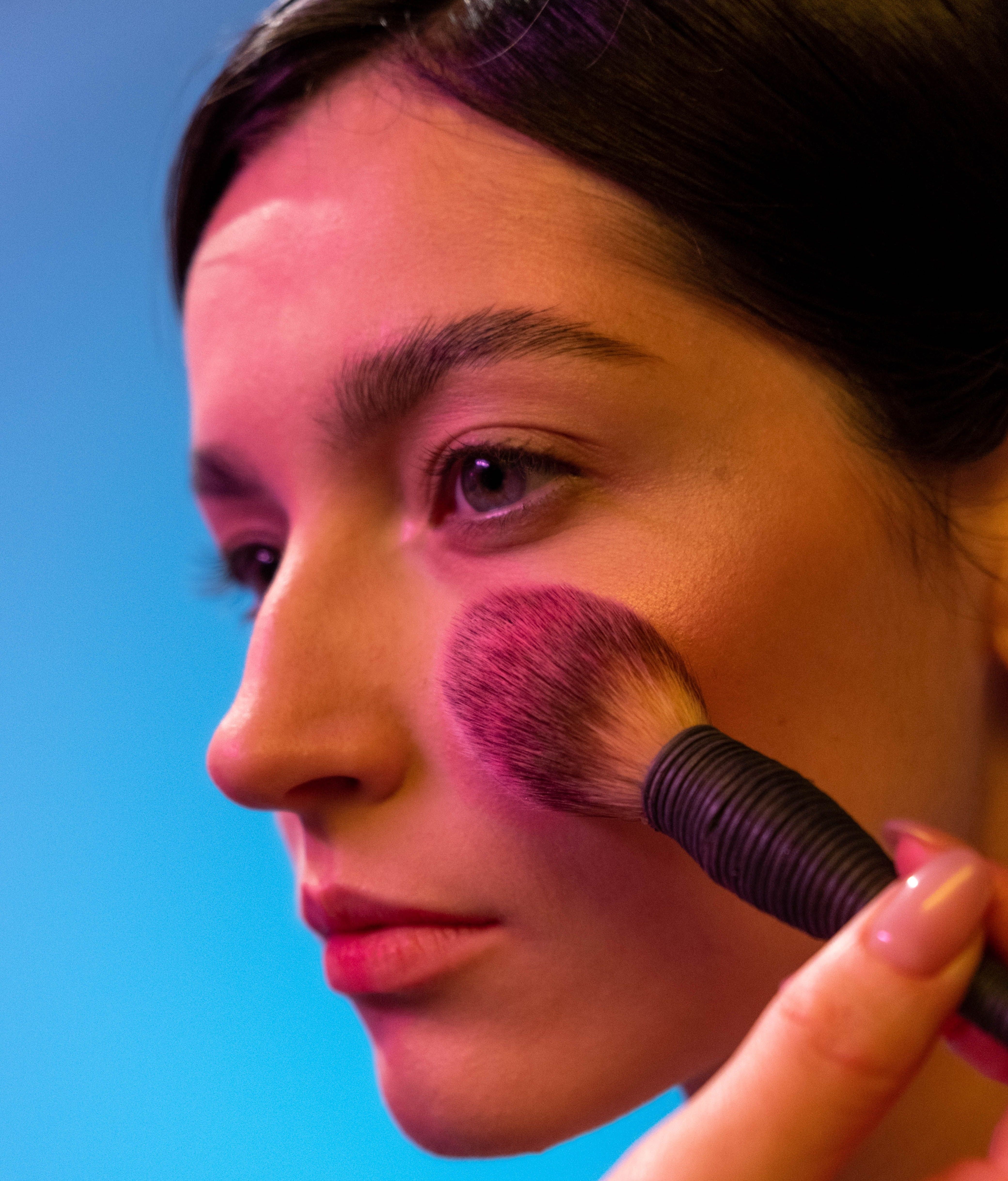
A Claim Is a Claim, Even When It’s About Craft
In regulated marketing, a claim triggers an obligation: you say it, you back it. Beauty brands understand this instinctively when the subject is efficacy. Say a serum reduces the appearance of fine lines, and someone will eventually ask for the study.
Ta’s team seems to have treated attribution as a softer category, the kind of claim you can make on vibes. When he told his audience he had “created” transition blush, and when his brand pursued trademark protection on the term itself, he wasn’t describing a product. He was making an ownership claim about a technique with a documented history that predates him, predates Ngozi Esther Edeme, and stretches back through decades of blush draping and gradient application. That claim needed the same substantiation any efficacy claim would need, and it didn’t have it.
Once a founder speaks in the first person about what a brand has done, the whole brand has adopted whatever that founder said.
This is the throughline from the Sturm piece worth repeating: once a founder speaks in the first person about what a brand has done, the brand has adopted whatever that founder just said. There is no internal team to blame, no creator partnership to distance from. The claim and the company are the same statement.
Attribution Drift Behaves Like Claim Drift
The influencer governance piece I wrote in March described a pattern where a careful internal position gets compressed as it travels outward, becoming more confident and less qualified with each retelling. Ta’s timeline shows the same drift, just compressed into weeks instead of a single viral moment.
May 19: transition blush is framed as something he created. May 22 and 24: the language softens under pressure, first to a version he built, then to acknowledgment that Edeme popularized the look through her own clients. By June 16, the framing had shifted again, this time to an apology built around impact over intent.
Each version was probably true to how Ta experienced his own process. None of them were vetted against how the claim would read to an audience that already knew whose name belonged to the technique. That is a substantiation gap, not a sincerity gap, and it’s the kind of gap a regulatory read of marketing copy is built to catch before launch rather than after backlash.
The Apology Arrived a Beat Too Late to Do Its Job
Ta’s eventual statement — that impact matters more than intent — is a reasonable framework. It just arrived after nearly a month of a defensive first response, an explanatory second response, and only then an accountable third response. Sequence matters as much as substance in crisis communications. An apology that opens with accountability reads as leadership. An apology that arrives as the fourth position in an escalating thread reads as concession.
Notably, the accountability framing didn’t originate with Ta. On Emma Grede’s podcast, it was Grede who named what had happened as an erasure of Edeme’s influence, and Ta agreed once she’d said it. A statement lands stronger when the brand arrives at the framing on its own. This one needed a host to walk him there first, which is its own signal about how much internal review happened before he sat down for the interview.
The credit dimension Edeme raised — the pattern of Black creators building techniques that get repackaged and monetized by others without proportional recognition — sits outside the comms mechanics I’m focused on here, but it shaped why this controversy had the staying power it did. A trademark filing on a shared technique lands very differently against that backdrop than it would in a vacuum.
Trademarking a Technique Is a Different Risk Category Than Trademarking a Product
There is a meaningful distinction between protecting a formula and protecting a name attached to a method other artists were already using and teaching. Product names, packaging, and proprietary formulations are defensible territory. A styling technique with a pre-existing name and a recognizable originator is not the same kind of asset, and treating it like one invites exactly the correction the internet delivered.
Any brand building a product line around a trending technique should be running that distinction past legal and comms together, before the trademark filing and before the launch video, not after the backlash names the gap for you.
What Founder-Led Brands Should Take From This
The Sturm situation was about the limits of scientific authority spoken casually. The Ta situation is about the limits of creative authorship spoken casually. Different domains, same structural failure: a founder made a claim in their own voice, in public, with no review layer between the sentence and the audience.
Founder-led brands will always trade some control for the authenticity that makes them work. That tradeoff only holds up if someone internally is asking, before the post goes up, what exactly is being claimed and whether the brand can defend it if challenged. Ta could defend his product. He could not defend the sentence he used to introduce it.
If you’re building a founder-led beauty brand and want a second set of eyes on how claims — about ingredients, technique, or origin — travel once they leave your hands, that’s the work I do at EBD Comms.